Grow Lights for Houseplants: A Beginner’s Guide
When a grow light is worth adding, what kind to choose for a home, and how to set the distance and hours by watching the plant instead of chasing numbers.
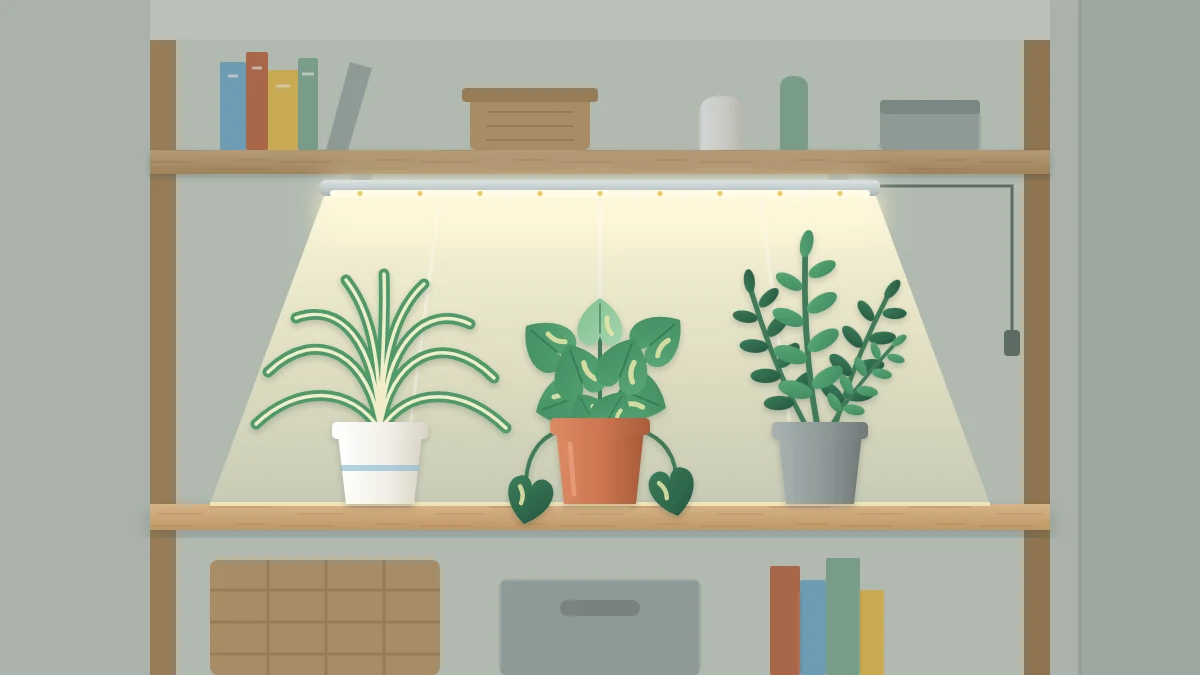
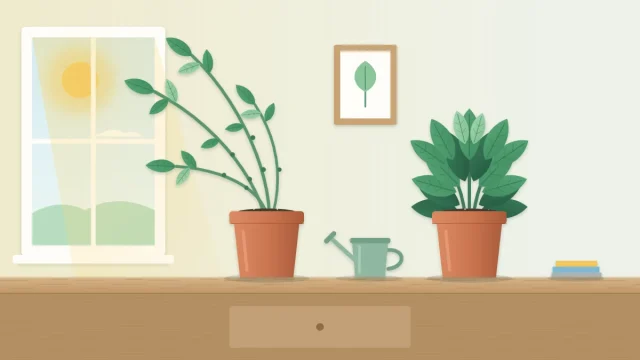
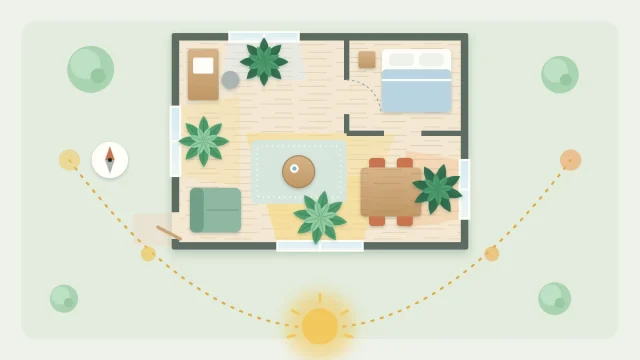
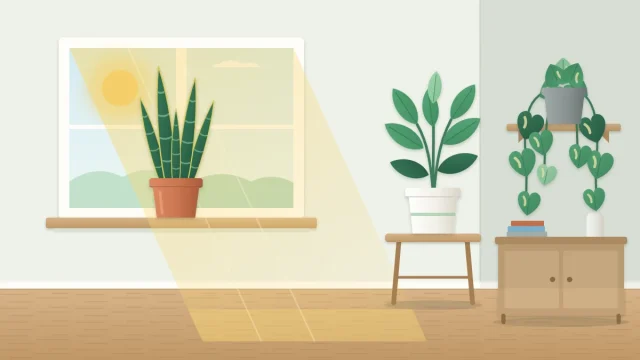
A dim apartment, a north-facing room or a long dark winter can leave even undemanding plants short of light. When moving a plant closer to a window is not possible or not enough, artificial light can fill the gap.
Grow lights for houseplants do not need to be complicated or industrial looking. A beginner needs to understand a handful of ideas: what kind of light to choose, how far from the leaves to put it, how long to run it and how to set it up without creating a hazard.
When a grow light helps
A grow light earns its place in three common situations:
- Dark rooms. Rooms with small, shaded or badly placed windows, where no spot gives a plant what it needs.
- Winter. Shorter days and weaker sun can leave plants that did well in summer struggling for a few months. Extra light is one of several adjustments worth making in winter.
- Shelves and corners away from windows. Bookcases, desks and hallways where you would like plants but daylight barely reaches.
A light is not always the answer. If a plant looks stretched or pale, first confirm that light is really the cause, since the signs of too little light overlap with other problems. A plant that already sits in a suitable window usually does not need a lamp as well.
What kind of light to choose
For homes, full-spectrum white LED lights are the usual choice. They give off a white light that is pleasant to live with and shows plants in their natural colors, they use little electricity for the light they give, and they run cooler than older types of lamp.
You will also see lights that glow pink or purple from a mix of red and blue LEDs. Plants can grow under them, but many people find the color tiring in a living space, and it makes it harder to spot changes in the leaves.
The shape of the fixture matters as much as the lamp inside it:
- Bulbs that screw into a standard desk, clamp or floor lamp suit one plant or a small group.
- Light bars or strips mounted under a shelf spread light evenly along a row of small plants.
- Panels and larger fixtures cover a wider area and suit bigger collections.
Choose a fixture that covers the whole plant, not just its top or one side. Packaging describes output in several different units, and no single figure suits every plant, so treat the numbers as a way to compare similar products and not as a target to hit. For background on how plants use light, see the University of Maryland Extension’s page on lighting for indoor plants.
Distance matters more than you might expect
The brightness that reaches a leaf depends heavily on how far the leaf is from the lamp. Moving a light a little farther away reduces what the plant receives by much more than the change in distance suggests. The same lamp can be strong for a plant just below it and of little use to one on the floor beneath the shelf.
The right distance depends on the fixture and on the plant, so there is no single correct number. Start with the distance the maker suggests for that product. Then adjust by watching the plant over the following weeks.
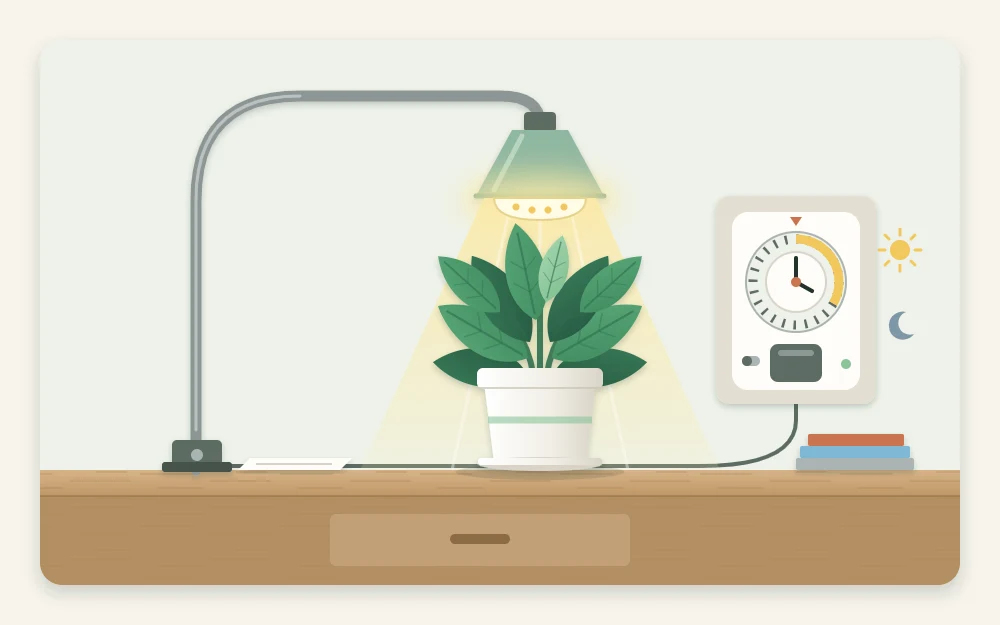
Aim the light from above where you can. Plants grow toward their light source, so a lamp placed to one side tends to produce leaning growth.
How many hours to run it
A lamp is far weaker than the sun, so it usually has to stay on for many hours to be useful. How many depends on the lamp, the distance, the plant and how much daylight the spot already gets. A light that only supplements a window needs less time than one that is the plant’s sole source.
Again, begin with the maker’s guidance for the product and adjust from there. Two points apply widely:
- Keep the day length consistent. A plug-in timer switches the light on and off at the same times each day, which is more reliable than remembering.
- Keep a dark period at night. Plants do not need or benefit from light around the clock. Set the timer so the light roughly follows a normal day.
Watch the plant and adjust
The plant is the best measuring instrument you have. Give any new setup a few weeks during active growth, then look at what the new leaves are doing.
- Still stretching, leaning or producing small pale leaves: the plant may need the light closer, on for longer, or stronger.
- Bleached, tan or crisp patches on the leaves nearest the lamp: the light may be too close or too intense. Raise it or shorten the hours.
- Compact new growth in a good color: the setup is working. Leave it alone.
Tip
A plant under a grow light often uses water faster than it did in the dim spot. Check the potting mix more often after you install a light, and water when the mix tells you to.
Setting up without creating a hazard
Plants mean water, and lights mean electricity. A little care in the setup keeps the two apart.
- Place fixtures, timers, plugs and power strips where water cannot drip or splash on them. Water plants at the sink, or move them away from the light first.
- Do not let leaves touch the fixture. LEDs run cooler than older lamps, but they still give off heat that can damage foliage.
- Use bulbs only in lamps rated for them, and leave space around the fixture for air to move.
- Secure clamp lamps and cords so that a pot, a pet or a passing elbow cannot pull them down.
- Read and follow the product’s own instructions for installation and use.
Light needs also vary a great deal between species, so look up each plant by name before you settle on a setup.
A grow light does not replace the rest of care
More light lets a plant grow, but it does not fix a pot without drainage holes or roots sitting in wet mix. It also changes how the plant behaves: under a good light a plant may keep growing through winter and need water and nutrients accordingly.
It still helps to understand what the room offers by itself. The guide to direct, bright indirect and low light shows how to judge the daylight a spot already gets, so you can decide how much a lamp needs to add.
Frequently asked questions
Can a regular LED bulb work as a grow light?
An ordinary white LED bulb gives plants some usable light, and it may be enough for an undemanding plant placed close to it for many hours. Lights sold for plants are generally designed to deliver more useful light over the leaves. Either way, the plant's new growth shows whether it is enough.
Should a grow light stay on all night?
No. Plants do not need continuous light, and a regular dark period is part of their normal cycle. A plug-in timer that switches the light on in the morning and off in the evening keeps the day length consistent. Follow the maker's guidance on hours and adjust by watching the plant.
How close should a grow light be to a houseplant?
It depends on the fixture and the plant, so start with the distance the maker suggests. If new growth still stretches or comes in pale, move the light closer or run it longer. If leaves nearest the lamp turn pale or crisp, raise it. Never let foliage touch the fixture.