Indoor Plant Light
Indoor Plant Light Explained: Direct, Bright Indirect and Low Light
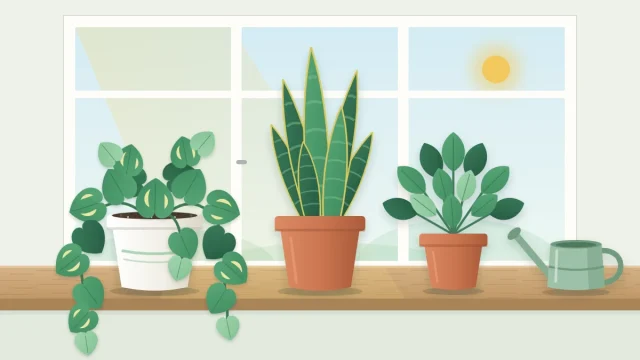
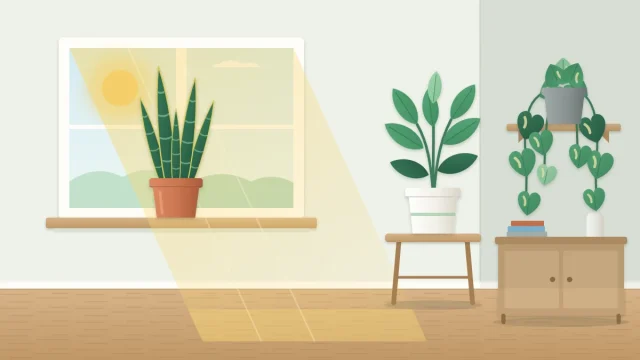
Plain definitions of direct sun, bright indirect, medium and low light, plus two simple ways to judge how much light a spot in your home really gets.
Practical Guides for Healthy Indoor Plants
30 guides published
Plain definitions of direct sun, bright indirect, medium and low light, plus two simple ways to judge how much light a spot in your home really gets.
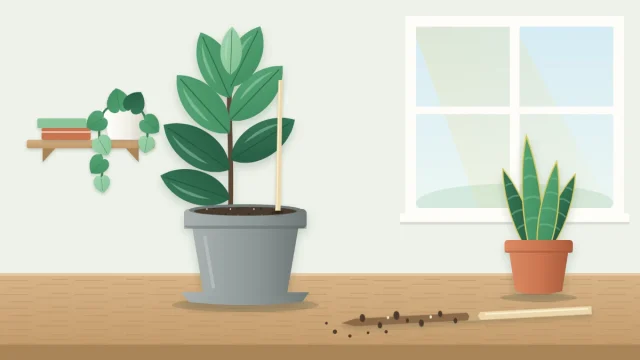
Four simple ways to find out whether a houseplant needs water: looking at the mix, the finger test, a wooden skewer and the weight of the pot, plus how to act on the result.
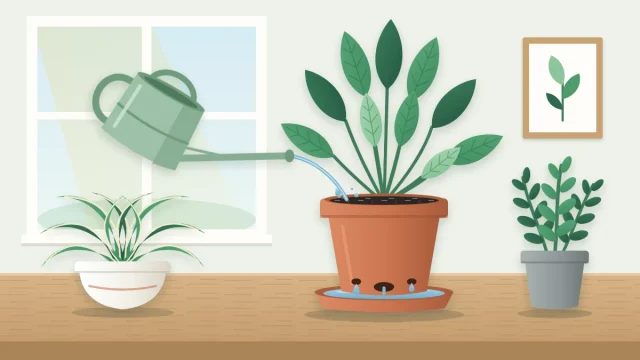
Why a fixed watering schedule lets plants down, and the method to use instead: check the soil, water thoroughly until it drains, and empty the saucer.
An orientation guide for your first houseplant: the four things a potted plant depends on, why light comes first, and a calm plan for the first week at home.
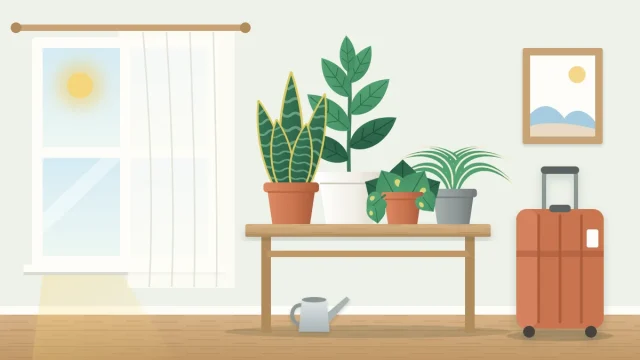
How to prepare houseplants for a trip, by length: what to do for a week or so away, and which options to test first for longer absences, with the limits of each.
What changes for indoor plants in winter and how to adjust light, watering checks, fertilizer and placement so your houseplants come through in good shape.
How to check a houseplant yourself instead of trusting copied lists: find the botanical name, look it up in the ASPCA plant database, understand what the listing means, and arrange plants so pets cannot reach them.
A low-effort habit for keeping houseplants healthy: a short walk-round to check each plant, a slower monthly look, and simple notes. The days are for looking, and the plant and soil decide what gets done.
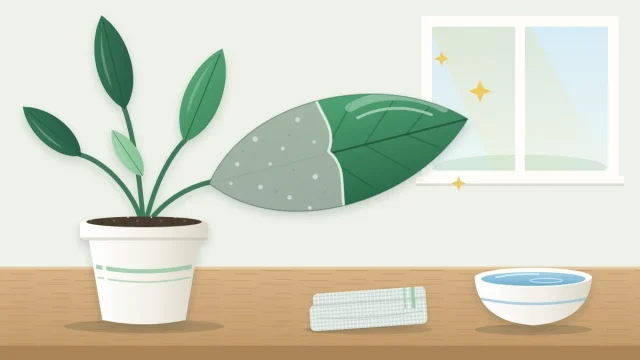
Dust blocks light and hides pests, and plants lean toward the window. Learn how to wipe, rinse or brush leaves with plain water and how a quarter turn keeps growth even.
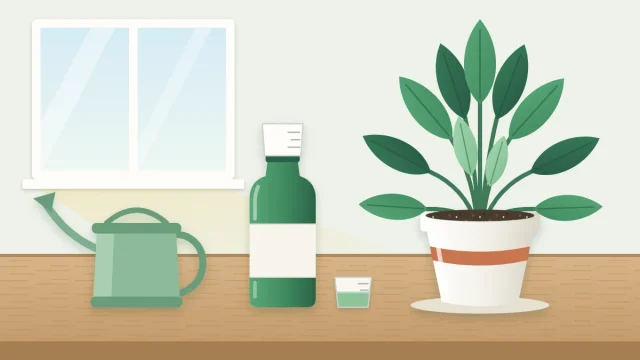
What fertilizer does and does not do, what the three numbers mean, which form to choose, and when to use it. The amount is simple: follow the product label, and never more.
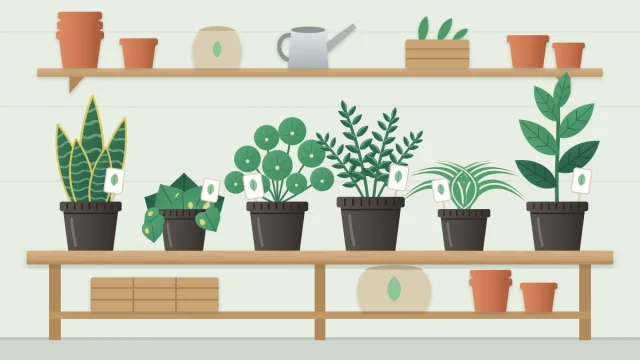
Choose a houseplant by starting with the spot: assess the light, temperature, your routine and who can reach the plant, then shortlist plants that match and inspect them properly in the shop.
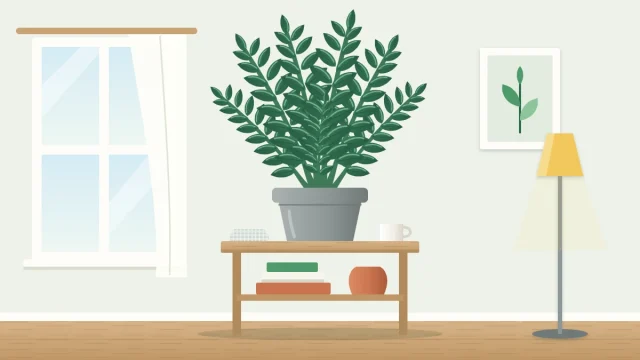
A beginner's guide to the ZZ plant: the light it tolerates, how its water-storing rhizomes change the way you water, which warning signs matter, and what NC State Extension lists about its toxicity to people and pets.
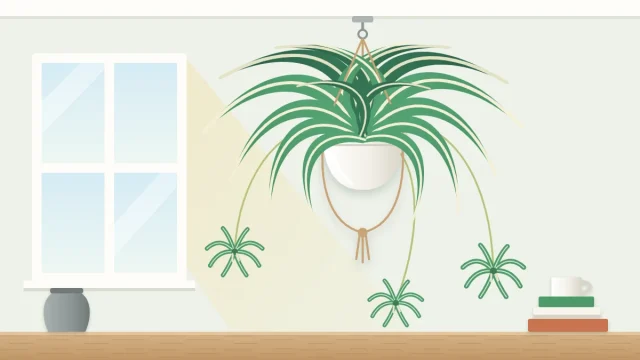
How to look after a spider plant: the indirect light it grows best in, watering by checking the mix, keeping up with its fast roots, and rooting plantlets while they are still attached. Includes what the ASPCA lists for dogs and cats.
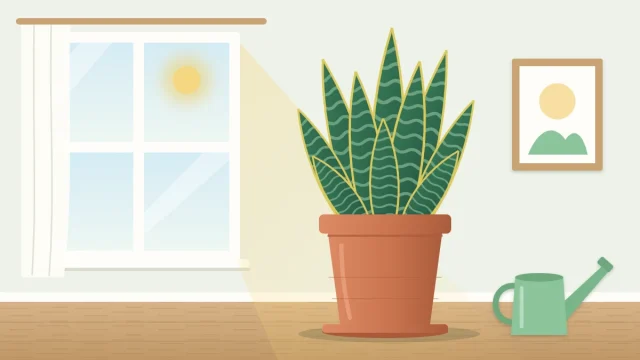
What a snake plant really needs: the light it tolerates and the light it prefers, how dry to let the mix get, the right pot and mix, how to divide a crowded plant, and what the ASPCA and NC State Extension list about its toxicity.
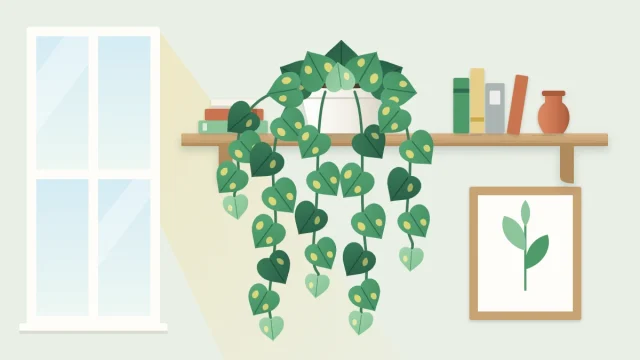
A beginner's guide to pothos: the light it adapts to, how to tell when it needs water, trimming and rooting cuttings, what to check when leaves yellow or droop, and what the ASPCA and NC State Extension list about its toxicity.
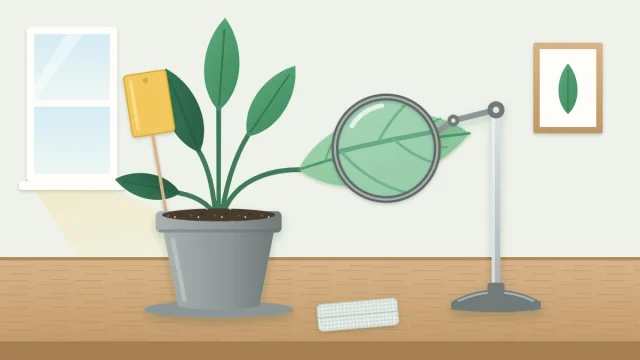
A sensible plan for pests on indoor plants: prevent, inspect, identify before acting, isolate, and start with rinsing, wiping and pruning before considering any product.